|
Dear ###USER_name###,
Across the world, the foundations of human rights – dignity, solidarity, and justice – are under assault. From Gaza to Europe’s borders, from humanitarian corridors to public health systems and climate-affected communities in Pakistan, we witness the erosion of the right to have rights.
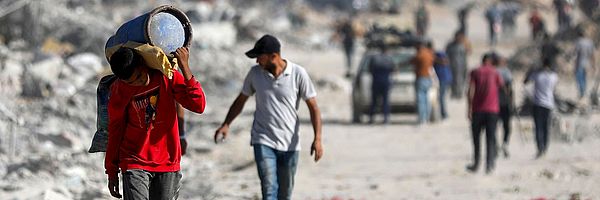
In Gaza, “peace” is invoked as cover for destruction and dispossession. The right to aid, too, becomes a tool of power: regulating who receives help and under what terms. In “it was never about aid”, a possibility of how to navigate the crushing ambivalences of the changing aid system is outlined. As Sophie Harman notes in “Crisis of Legitimation,” when access to health or protection depends on compliance, justice collapses. Yet she portrays how not to comply.
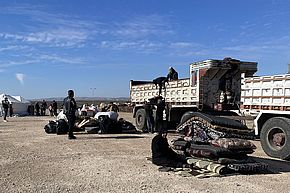
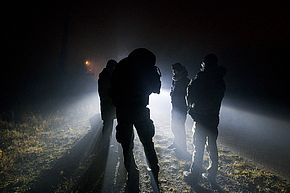
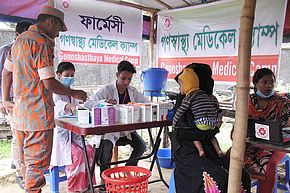
At Europe’s borders, migrants face violence and humiliation, however resistance continues through networks like medico partners Alarmphone and the Helsinki Foundation for Human Rights. In Pakistan, farmers and activists turn climate injustice into legal demand, confronting German corporations for the damage they’ve caused and taking them to court. And in Bangladesh, medico´s partners the Gonoshasthaya Kendra architecture how healthcare can be rebuilt on dignity and participation beyond the state rather than dependency.
Together, these threads point to a wider reality: authoritarianism is not just a political configuration of one country; it is a logic that permeates how life, health, aid and movement are governed globally. And in doing so, it removes the universal claim that every human being is entitled to dignity simply by virtue of being human. Those threads also point to our resistances. We resist by naming these logics, by joining the voices of those who are dispossessed, by building alternatives.
In this spirit, all of us are partners in fighting for dignity. And this newsletter, these collected articles and testimonies, become more than texts — they are witnesses of our all solidarity, to transformation, and to action
Because the world is breaking: solidarity connects.
In Solidarity,
Radwa Khaled Ibrahim
Editor of the international newsletter
|